Property Manager Cleanouts: Handling Junk Between Tenant Turnovers

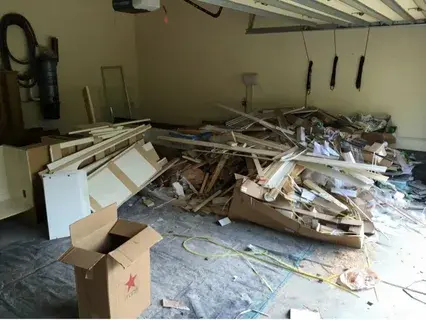
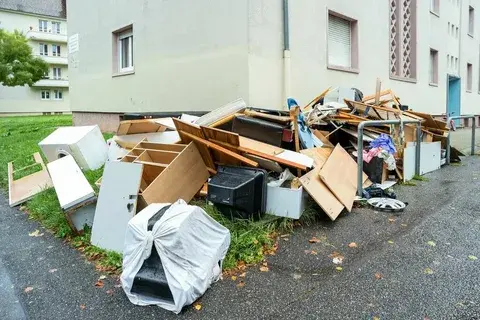
Tenant turnover can create a narrow window for property managers to prepare a rental for its next occupant. In my experience, the biggest delays often come from abandoned furniture, broken household items, accumulated trash, and miscellaneous debris left behind after a tenant moves out. Three Brothers Hauling & Logistics approaches these situations by treating the cleanup as part of the turnover timeline rather than an afterthought. The right property manager cleanouts process starts with identifying what remains, separating items that require different handling, and arranging removal before cleaning and repairs begin.
A vacant property may look manageable at first, but a few rooms filled with unwanted belongings can quickly become a larger project. I recommend inspecting the property promptly, documenting what was left behind, determining whether anything must be retained, and creating a realistic removal schedule. This helps property managers avoid having junk interfere with painting, flooring work, inspections, showings, or the next move-in date.
Key Takeaways
Inspect the property as soon as the tenant turnover begins.
Separate abandoned belongings from items that must be retained.
Coordinate junk removal with cleaning and repair schedules.
Consider access, volume, labor, and disposal requirements.
Leave enough time for unexpected items or additional cleanup.
Start the Turnover With a Thorough Property Inspection
The first step I take when planning a turnover cleanout is to understand exactly what has been left behind. I look through every room, closet, garage, storage area, patio, and exterior space rather than estimating the job from the main living areas alone.
Abandoned furniture is often the most noticeable category. Sofas, mattresses, tables, dressers, desks, chairs, and shelving can occupy substantial space and may require more labor than ordinary household trash. Smaller belongings can be just as time-consuming when they are spread across multiple rooms.
I also separate items that may have legal, financial, or sentimental significance. Important documents, keys, personal records, mail, medication, and other potentially sensitive belongings should not simply be treated as ordinary junk. Property managers should follow their established procedures before authorizing disposal.
Photographs can help document the property's condition before removal begins. I find that clear photos of large items, accumulated debris, and difficult access areas make it easier to plan labor and communicate the scope of the cleanout.
Determine What Should Actually Be Removed
Not everything left behind automatically belongs in the disposal pile. Some items may be part of the property, such as landlord-owned appliances, fixtures, window coverings, or furniture provided with a furnished rental.
This distinction matters because removing something that belongs to the property can create unnecessary replacement costs. I recommend comparing the condition of the rental against its move-in inventory whenever one is available.
For personal belongings that were abandoned, the property manager should follow applicable local and state requirements before disposing of them. Documentation and appropriate notice procedures can matter, particularly when valuable property or disputed belongings are involved.
Once those questions are resolved, the remaining items can be categorized by their intended destination. Furniture, appliances, recyclable materials, general junk, and potentially hazardous materials may require different handling.
Build a Cleanout Schedule Around the Turnover Deadline
A successful cleanout is not simply about removing everything quickly. It needs to fit within the larger turnover schedule, which may include inspection, repairs, painting, flooring, pest treatment, cleaning, photography, and listing preparation.
I generally recommend scheduling removal early enough that unexpected items do not push back the rest of the work. If a property needs to be listed within a week, waiting until the final day to clear the garage can create problems for every contractor scheduled afterward.
For property managers researching rental property cleanouts in Raleigh, NC, timing is especially important when several units are turning over simultaneously. Coordinating multiple properties can require a consistent process for inspection, inventory, removal, and final walkthroughs.
Access should also be considered before the appointment. Apartment buildings, townhomes, gated communities, and multifamily properties may have specific rules for loading areas, elevators, parking, or service entrances.
Estimate the Scope Before Scheduling Removal
The amount of junk is one of the clearest factors affecting a cleanout, but volume is not the only consideration. I also look at furniture dimensions, weight, stairs, elevators, carrying distance, parking access, and the total number of rooms involved.
A single sectional sofa may take up more truck space than several bags of loose debris. Likewise, a heavy appliance may require considerably more labor than a larger quantity of lightweight cardboard.
Mattresses and upholstered furniture can also create special disposal considerations depending on local facility requirements. Appliances may contain recyclable materials or components that require separate handling.
Property managers should provide as much information as possible when requesting an estimate. A room-by-room description or a few clear photographs can help establish the approximate scope before the crew arrives.
Important Scope Details
Count large furniture and appliances before requesting removal.
Photograph bulky or unusually heavy items.
Identify stairs, elevators, and long carrying distances.
Separate materials requiring different disposal methods.
Confirm whether exterior areas and garages are included.
Coordinate Cleanouts With Repairs and Cleaning
Once the unwanted items are removed, other turnover work becomes easier. Professional estate cleanout services can help clear unwanted furniture and belongings, allowing cleaners to reach floors and corners that were previously blocked. Painters and flooring contractors also have more usable space to complete their work.
I have found that sequencing matters. Removing junk before deep cleaning usually makes more sense because dust, debris, and dirt can accumulate during the hauling process. Similarly, clearing a room before flooring work prevents unnecessary obstacles and reduces the risk of damage.
Communication between the property manager and removal crew is equally important. If the scope changes after the initial inspection, that information should be shared before the appointment rather than when the crew is already at the property.
Think Beyond the Interior of the Rental
Tenant turnover junk is not always confined to bedrooms and living rooms. Garages, patios, balconies, sheds, basements, attics, storage rooms, and outdoor areas can accumulate substantial debris.
I always recommend checking these spaces during the initial inspection. Outdoor furniture, broken grills, old planters, damaged shelving, cardboard, discarded building materials, and miscellaneous household items can easily be overlooked.
For managers searching for apartment cleanout services, exterior access is another practical consideration. A crew may need to move items through shared hallways or parking areas, and apartment communities may have rules governing where trucks can park.
Weather can also affect outdoor removal. Wet conditions can make heavy items harder to move and may increase the risk of damaging landscaping or muddying common areas. Planning around those conditions can make the work safer and cleaner.
Consider Cost, Efficiency, and Property Value
The cheapest removal option is not always the least expensive choice for a property manager. If employees spend several hours moving furniture, loading vehicles, and making disposal trips, the business is also paying for labor and lost time.
A professional cleanout can be evaluated against the value of getting the unit ready sooner. For example, if a delayed cleanup prevents contractors from starting repairs, the cost can extend beyond the junk itself.
The volume of material also matters. A small amount of household debris may be manageable through regular disposal channels, while a full rental packed with furniture may require dedicated hauling capacity.
I also consider whether the property is part of a larger portfolio. Managers handling multiple turnovers may benefit from developing a repeatable process for requesting estimates, documenting abandoned items, scheduling removal, and confirming completion.
Ways to Keep Turnovers Moving
Schedule removal before cleaners and repair crews need the space.
Use photographs to communicate changing job conditions.
Maintain a standard turnover inspection checklist.
Group multiple units when scheduling makes operational sense.
Confirm completion before the next contractor arrives.
Avoid Common Property Manager Cleanout Problems
One common mistake is underestimating what is inside a property. A quick visual inspection from the doorway rarely reveals what is inside closets, cabinets, garages, or storage areas.
Another issue is failing to communicate access restrictions. A removal crew may arrive expecting direct driveway access only to discover a locked gate, restricted parking area, or long walk from the building entrance.
I also recommend avoiding last-minute scheduling whenever possible. Tenant turnover dates can shift, and repairs frequently uncover additional debris. Building some flexibility into the schedule gives managers room to respond without delaying the next phase.
Finally, property managers should establish clear documentation procedures. Before disposal, photographs and records can help demonstrate what was present and what action was taken, particularly when multiple parties are involved in the turnover process.
Practical Tips for Faster Turnovers
I recommend creating a standard cleanout checklist that covers every area of the rental. It can include furniture, appliances, trash, outdoor items, storage areas, and any unusual materials requiring additional attention.
Another useful habit is taking photographs immediately after the tenant vacates. This creates a visual record of the property's condition and can make it easier to identify which items need removal.
I also suggest scheduling a final walkthrough after hauling is complete. This allows the property manager to confirm that no obvious debris remains before cleaners, maintenance workers, or prospective tenants enter the space.
These small steps can make a meaningful difference when several turnovers happen at the same time. The goal is not simply to remove junk but to create a predictable process that keeps each property moving toward its next stage.
Final Cleanout Checks
Confirm all authorized items have been removed.
Inspect closets, garages, storage areas, and exterior spaces.
Verify that disposal-related work is complete.
Check the property before cleaners or contractors arrive.
Document the finished condition with photographs.
Frequently Asked Questions
What items are commonly left behind during tenant turnovers?
Furniture, mattresses, appliances, clothing, boxes, household goods, broken electronics, outdoor furniture, and miscellaneous debris are common. The exact mix depends on the property and circumstances surrounding the move-out.
When should a property manager schedule a cleanout?
Ideally, removal should be arranged soon after the property is inspected and abandoned items are properly cleared for disposal. Scheduling early leaves time for unexpected materials and helps prevent delays to cleaning and repair work.
Can property managers combine cleanouts for multiple units?
Yes. When several units are ready around the same period, coordinating removal can simplify scheduling and reduce repeated administrative work. The practical benefit depends on property locations, volume, and available access.
Should furniture be removed before cleaning?
In most situations, removing unwanted furniture first makes cleaning easier. It gives cleaners better access to floors, corners, walls, and other areas that may have been blocked.
How can property managers prepare for a cleanout estimate?
Provide the property address, approximate volume, major furniture and appliances, floor level, access details, and photographs when possible. Accurate information helps establish a more realistic scope before removal begins.
Final Thoughts
I see tenant turnover cleanouts as part of the property preparation process rather than a separate chore. When the removal is planned early, property managers have more room to coordinate cleaning, repairs, inspections, photography, and future showings.
The most important step is knowing exactly what needs to leave and when it needs to be gone. From there, access, volume, disposal requirements, labor, and scheduling determine how the work should be organized.
A consistent property manager cleanouts process can help reduce turnover delays while giving property managers a clearer view of the work required at each rental. Whether one apartment needs clearing or several properties are changing tenants at once, advance planning makes the process easier to control.
Schedule a Property Cleanout
When a rental property needs to be cleared between tenants, contact the hauling team with the property location, approximate amount of junk, major furniture or appliances, and any access restrictions. Photos can help clarify the scope before scheduling. Planning the removal around cleaning, repairs, and inspection deadlines can keep the turnover moving without unnecessary delays. A clear scope also makes it easier to coordinate multiple properties and ensure each unit is ready for its next stage.