Dumpster Rental vs. Junk Removal in Raleigh: Which Option Fits the Project?

When I compare cleanup options, I first look at how much material needs to leave, how quickly it needs to disappear, and how much physical work the property owner wants to handle. A dumpster can make sense when debris is generated gradually during a renovation or cleanup. Three Brothers Hauling & Logistics approaches these projects by looking at the actual workload rather than assuming one disposal method fits every situation. That is why dumpster rental vs. junk removal in Raleigh is really a question of project scope, labor, timing, access, and convenience.
The distinction becomes clearer when the project is broken down into practical requirements. A dumpster gives the customer a container and time to fill it, while junk removal generally involves a crew arriving, loading unwanted materials, hauling them away, and handling the next stage of disposal. For a homeowner clearing one garage, full-service removal may save considerable effort. For a contractor producing debris over several days, a container may provide more flexibility.
Key Takeaways
Dumpsters work well for projects that generate debris over time.
Junk removal is useful when the customer wants loading handled.
Project size and material type should influence the choice.
Access, parking, and placement can affect dumpster feasibility.
Comparing total labor and disposal responsibilities gives a clearer cost picture.
When a Dumpster Makes More Sense
I usually see dumpster rental become attractive when debris will be generated continuously rather than all at once. A kitchen renovation, roofing project, flooring replacement, demolition job, or major property cleanout can produce material over several days. For projects involving larger volumes of debris or heavy materials, dump truck hauling services may also be worth considering, depending on the type of material and the project's cleanup needs.
The biggest advantage is control over timing. Once the container is delivered, the customer can add acceptable materials as the project progresses. There is no need to have every item ready for one scheduled pickup.
For example, a homeowner renovating several rooms may remove cabinets on Monday, flooring on Wednesday, and drywall later in the week. Having a container available throughout the project can provide a convenient place for the debris instead of creating several temporary piles.
However, the customer generally takes responsibility for loading the container. That means labor, lifting, sorting, and carrying remain part of the project. For heavy materials or large volumes, this can become a significant consideration.
Container placement also matters. The property needs enough suitable space for delivery and pickup, and local restrictions may affect where a dumpster can be positioned. In Raleigh neighborhoods, driveways, narrow streets, landscaping, utility lines, and nearby vehicles can all influence placement.
When Full-Service Junk Removal Is Better
Junk removal usually makes more sense when the unwanted items are already sitting around the property and the owner wants the entire physical removal process handled. Instead of loading materials into a container, the customer identifies what needs to leave and the crew handles the lifting and hauling.
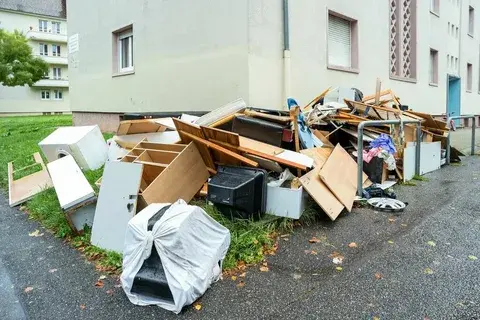
This can be particularly useful for furniture, appliances, mattresses, household clutter, office contents, yard debris, and other mixed materials. These items may not be generated gradually like construction debris; they may simply need to disappear from the property.
I also consider the number of people available to do the work. A large sectional sofa, refrigerator, solid wood furniture, or heavy storage cabinet can be difficult to move without the right equipment and enough people.
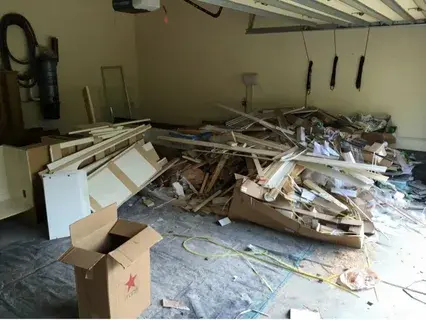
For homeowners researching junk removal services in Raleigh, another advantage is that the property can often be cleared in a single scheduled visit. That can be valuable when preparing a home for sale, moving, cleaning out an inherited property, or reclaiming an overcrowded garage.
The time savings can be substantial. Instead of spending an entire weekend lifting, carrying, loading, and arranging disposal, the homeowner can focus on the other parts of the project.
Compare the Total Work, Not Just the Price
A common mistake is comparing a dumpster rental fee directly with a junk removal quote and assuming the lower number is automatically the better choice. The two options provide different levels of labor and convenience.
With a dumpster, the customer may need to sort materials, carry everything to the container, load heavy items, monitor fill levels, and make sure prohibited materials are not included. Depending on the project, those responsibilities can represent many hours of work.
With full-service removal, the price generally reflects labor as well as transportation and disposal. The homeowner is paying for someone else to perform the physical work and manage the hauling process.
For residential junk removal, I would therefore compare the complete workload. If a homeowner has plenty of time, several people available to help, and a project that will continue for days, a dumpster may be practical. If the priority is having everything removed quickly with minimal physical effort, full-service hauling may provide better overall value.
Project Factors to Compare
Amount and type of material being removed.
Whether debris will accumulate gradually or all at once.
Availability of people to perform the loading.
Space available for a container.
Consider the Type of Material
The material being removed can change the decision significantly. Construction debris such as drywall, lumber, flooring, roofing material, and demolition waste often fits naturally into a dumpster-based project.
Household junk is different. A property cleanout may include furniture, appliances, boxes, mattresses, toys, electronics, and miscellaneous belongings. Loading these items individually can be time-consuming, especially when they are spread throughout multiple rooms.
I also pay attention to weight. Concrete, soil, bricks, tile, and other dense materials can become heavy quickly. A container may have both volume and weight limitations, so filling available space does not necessarily mean the container can safely or legally carry everything inside it.
Mixed materials can create another challenge. Some disposal facilities have specific requirements for electronics, appliances, chemicals, tires, and other restricted items. Before choosing either option, I recommend identifying unusual materials and asking how they should be handled.
Think About Property Access and Raleigh Conditions
Access can be the deciding factor when choosing between the two options. A dumpster needs to be delivered, positioned, and eventually removed, so the property must accommodate the equipment.
A narrow driveway, low-hanging branches, parked vehicles, steep grades, or limited street space can make container placement difficult. Before ordering a dumpster, I would verify that the proposed location can safely accommodate delivery and pickup.
Junk removal has its own access considerations, but the crew can often work around interior layouts. Stairs, elevators, narrow hallways, gates, and long carrying distances still affect labor, yet the customer does not need to find a separate place to store a container.
Raleigh weather can also influence project timing. Rain can make yards and unpaved areas soft, while summer heat can make physically demanding loading work uncomfortable. A dumpster may provide flexibility when weather changes the work schedule, while scheduled junk removal may be preferable when the goal is to complete the clearing quickly.
Access Issues Worth Checking
Driveway width and surface condition.
Available space for container placement.
Stairways, gates, and interior carrying routes.
Overhead branches or utility obstacles.
Local parking or placement restrictions.
Consider Project Duration and Deadlines
Time is one of the clearest differences between the two approaches. A dumpster provides a temporary storage point for debris, making it useful when the project is spread across multiple days.
That flexibility can be valuable during remodeling because demolition and installation rarely happen in one continuous session. Contractors can remove material as they work without arranging a separate hauling visit every time debris accumulates.
Junk removal works differently. It is generally better suited to a defined batch of material that is ready to leave. Once the crew arrives, the goal is to load and clear the unwanted items rather than leave a container sitting on the property.
I would choose based on the project's natural rhythm. If debris is being created continuously, a container may fit better. If the debris already exists and the priority is immediate removal, full-service hauling often makes more sense.
Deadlines should also influence the decision. A homeowner preparing for a real estate closing or a business preparing to vacate a property may have little interest in waiting several days to complete loading.
Understand What the Price Actually Includes
Before committing to either option, I recommend asking exactly what is included. Dumpster pricing may depend on container size, rental duration, weight limits, delivery, pickup, and disposal fees.
Junk removal pricing can depend on the volume loaded, labor required, item weight, accessibility, transportation, and disposal destination. Additional charges may apply in some situations, so the scope should be clearly explained before work begins.
A useful comparison is to calculate the value of your own time. If filling a container will require two people for an entire weekend, the rental price is not the complete project cost. The same applies when a property has heavy furniture or appliances that require special handling.
The best option is usually the one that matches the project's actual requirements rather than the one with the lowest advertised starting price.
Questions to Ask Before Choosing
How long will the project take?
Who will perform the loading?
What materials need special handling?
Where can the container be placed?
Does the quoted price include transportation and disposal?
Make the Choice Based on the Project
For me, the decision becomes fairly straightforward once the project is defined. A dumpster is generally more suitable for ongoing debris generation, especially during construction, renovation, demolition, or large-scale landscaping.
Full-service junk removal is usually more appropriate when unwanted items are already accumulated and the property owner wants them physically removed. It is especially useful when heavy lifting, stairs, limited time, or mixed household materials make self-loading inconvenient.
There are also situations where convenience outweighs a potentially lower rental cost. Someone cleaning out a home after a move may technically be able to rent a dumpster, but having a crew handle furniture, appliances, and boxes can make the entire process substantially easier.
I recommend making the decision before debris starts piling up. Knowing the project's volume, material type, access conditions, schedule, and available labor makes it much easier to select the right disposal method.
Common Questions About Dumpster Rental and Junk Removal
Is dumpster rental always cheaper than junk removal?
Not necessarily. A dumpster may have a lower upfront rental price, but the customer is responsible for loading and often for managing the project over several days. Junk removal includes labor, so the total cost reflects the added convenience.
Which option is better for a home cleanout?
For a typical home cleanout involving furniture, appliances, boxes, and miscellaneous belongings, full-service junk removal can be more practical because the crew handles the lifting and hauling. A dumpster may be preferable when the homeowner has sufficient help and wants to work through the property gradually.
Can construction debris be handled through junk removal?
In many cases, yes, but the specific materials and volume matter. Heavy construction materials may have different disposal requirements than ordinary household junk, so the material list should be discussed before scheduling.
Frequently Asked Questions
How do I decide between a dumpster and junk removal?
Start by asking whether you need a container for ongoing work or whether you need an existing pile of unwanted items removed. The first situation often favors a dumpster, while the second may favor full-service hauling.
Does a dumpster require more work from the homeowner?
Usually, yes. The homeowner or project crew generally loads the debris into the container. That can be manageable for light materials but considerably more demanding when dealing with furniture, appliances, or heavy construction debris.
Can I use a dumpster for furniture?
It depends on the rental provider's accepted materials and container rules. Furniture may be permitted, but homeowners should confirm restrictions before placing large pieces inside.
Is junk removal better for heavy furniture?
It can be. Large sofas, solid wood furniture, appliances, and heavy cabinets can require multiple people and appropriate equipment. Having a removal crew handle those items can reduce physical strain and injury risk.
Should I schedule removal before or after a renovation?
The timing depends on how debris is generated. If materials will accumulate throughout the renovation, a dumpster may be useful during the project. If everything is already piled up after the work is complete, a scheduled junk removal visit may be more appropriate.
Final Thoughts
I do not see dumpster rental and junk removal as competing solutions where one is always better. They serve different project structures. A dumpster provides flexibility for ongoing debris generation, while full-service removal provides labor and faster clearing for materials that are already ready to leave.
The most important factors are volume, material type, project duration, access, labor, disposal requirements, and deadlines. Once those details are clear, the choice becomes much easier.
Understanding dumpster rental vs. junk removal in Raleigh also helps homeowners and businesses avoid paying for a solution that does not match the way their project actually works. The right option should fit both the physical demands of the cleanup and the amount of involvement the customer wants.
Choose the Right Removal Option
If you are preparing for a renovation, property cleanout, move, demolition, or general cleanup, contact the hauling team to discuss the project's size and material type. Explain whether debris is already accumulated or will be generated over several days, along with any access or scheduling concerns. A clear project assessment can help determine whether a dumpster or full-service removal better fits the workload, timeline, and property conditions while keeping the disposal process organized from start to finish.